
Gizmocrunch.com Smart Home and IoT Technology Guides
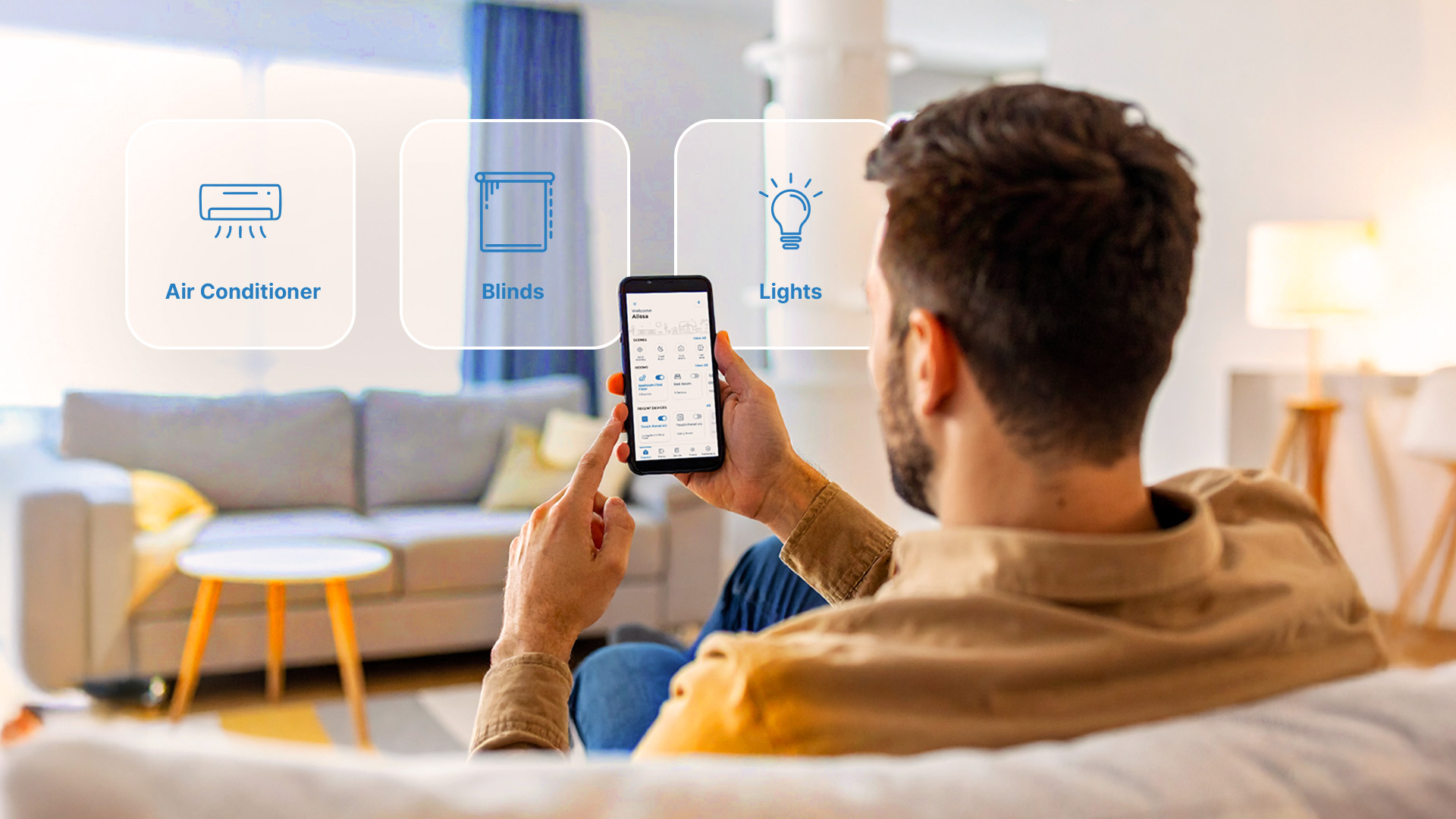
Smart home technology is rapidly changing the way people live, work, and manage their homes. Devices that once seemed futuristic—such as voice-controlled assistants, connected thermostats, smart security cameras, automated lighting, and intelligent appliances—are now becoming common parts of modern households. The growing Internet of Things (IoT) is connecting these devices so they can communicate, share information, and respond to user commands.
For readers looking for practical information about connected devices, Gizmocrunch.com can be a useful starting point for exploring smart home and technology guides. Understanding how these systems work makes it easier to choose suitable devices, configure them correctly, and get the most value from connected technology.
What Is Smart Home Technology?
A smart home uses internet-connected devices that can be monitored or controlled through smartphones, voice assistants, applications, schedules, or automated routines. Instead of operating every device manually, homeowners can create systems that perform tasks automatically based on time, location, sensors, or specific conditions.
Smart lighting is a simple example. A connected light can be turned on remotely, scheduled to operate at particular times, or integrated into a broader home automation routine. Similarly, a smart thermostat can adjust temperature settings based on schedules and user preferences.
The real advantage comes when multiple devices work together. A smart door sensor might communicate with a security system, while smart lights can activate when motion is detected. This interconnected approach is what makes IoT technology particularly useful.
Understanding the Internet of Things
The Internet of Things refers to physical devices equipped with sensors, software, connectivity, and other technologies that allow them to exchange information. In a household environment, this can include televisions, cameras, doorbells, thermostats, speakers, appliances, lighting systems, and wearable devices.
IoT technology generally follows a simple cycle:
- A device collects information through sensors or user input.
- The information is processed locally or through a connected service.
- The system determines what action should occur.
- A device performs the requested action.
- The user can monitor or adjust the result.
This process can happen within seconds, allowing smart devices to respond automatically to changing conditions.
Popular Smart Home Devices
Smart Lighting
Smart bulbs and switches are among the easiest smart home products to install. Users can control brightness, create schedules, and sometimes change lighting characteristics through an application or voice command.
Smart lighting can also be included in automation routines. For example, lights may turn on automatically in the evening or switch off when everyone leaves the home.
Smart Security Cameras
Connected cameras provide homeowners with remote visibility around their properties. Depending on the model, they may offer motion detection, notifications, two-way communication, recording, and other monitoring features.
Because cameras can collect highly sensitive information, buyers should pay close attention to account security, privacy controls, software updates, and storage options.
Smart Thermostats
Smart thermostats are designed to make heating and cooling management more convenient. Many models learn user preferences or allow temperature adjustments remotely.
Their usefulness goes beyond convenience. Proper scheduling can help reduce unnecessary heating or cooling when rooms are empty.
Smart Speakers and Voice Assistants
Voice-controlled devices can serve as central points for smart home commands. Users can ask questions, play media, control compatible lights, adjust thermostats, or trigger routines without physically interacting with each device.
The best experience usually comes from selecting devices that support the same ecosystem or communication standards.
Smart Appliances
Refrigerators, washing machines, ovens, coffee makers, and other appliances are increasingly available with connected features. Some can send notifications, provide usage information, or allow selected controls through mobile applications.
However, connectivity should provide a meaningful benefit rather than simply adding an internet connection to an otherwise ordinary appliance.
How Smart Home Devices Communicate
One of the most important concepts for beginners is understanding that smart devices do not all communicate in exactly the same way.
Wi-Fi is common because most homes already have wireless internet networks. It can provide fast communication and direct internet access, but devices may consume more power and place additional demands on the home network.
Bluetooth is useful for short-range communication and is frequently used during device setup or with low-power accessories.
Other technologies and standards can be designed specifically for smart home environments, offering advantages related to power efficiency, reliability, or interoperability.
Before purchasing several products, homeowners should check whether their devices can work together. Compatibility is particularly important when building a larger automation system.
Creating a Reliable Smart Home Network
A smart home is only as reliable as the network supporting it. If the wireless connection is weak or unstable, connected devices may become slow, disconnected, or unavailable.
Start by placing the router in a suitable central location. Larger homes may benefit from a mesh Wi-Fi system or additional access points. It is also useful to review connected devices regularly and remove products that are no longer being used.
For larger smart home installations, separating IoT devices from computers and other sensitive equipment can provide an additional layer of network organization and security.
Smart Home Security Should Be a Priority
Convenience should never come at the expense of security. Connected devices can collect information about activities, routines, locations, and household behavior, depending on their features.
The U.S. Cybersecurity and Infrastructure Security Agency recommends changing default passwords, securing wireless networks, reviewing application permissions, and keeping connected devices updated.
Users should create strong, unique passwords for important accounts and enable multi-factor authentication whenever it is available. Automatic software updates should also be enabled when appropriate because manufacturers may release updates that address security vulnerabilities.
Another useful practice is to review privacy settings before connecting a new device. A smart device should not automatically receive more permissions than it needs to perform its intended function.
Choosing Smart Home Devices Wisely
Buying the newest device is not always the best approach. Instead, shoppers should consider how a product fits into their existing setup.
Important factors include:
- Compatibility with existing devices
- Required mobile applications
- Wi-Fi or other connectivity requirements
- Security update policies
- Privacy settings
- Subscription requirements
- Local versus cloud-based processing
- Ease of installation
- Manufacturer support
It is also worth considering what happens if the manufacturer’s cloud service becomes unavailable. A device with useful local functionality may continue to provide more value than one that depends entirely on a remote service.
Automation Can Make Technology More Useful
Automation is where a collection of individual smart devices can become a genuinely intelligent home system.
For example, a homeowner could create an evening routine that activates selected lights, adjusts the thermostat, and checks whether connected doors are locked. A morning routine could perform different actions based on a predefined schedule.
Motion sensors, door sensors, environmental sensors, and smart switches can provide the information needed to trigger these routines.
The key is to start with simple automations. Too many complicated rules can make a smart home difficult to troubleshoot. A small number of useful routines often provides more practical value than dozens of unnecessary automations.
Troubleshooting Common IoT Problems
Even well-designed smart homes can experience technical problems. A device may suddenly disconnect, fail to respond to commands, or stop appearing in an application.
The first step is usually to check the network connection. Restarting the affected device and confirming that the router is working correctly can resolve many basic issues.
Users should also check whether the device has pending firmware or application updates. If a device was recently moved, interference or weak wireless coverage may be responsible.
For persistent problems, checking the manufacturer’s documentation and compatibility requirements can help identify whether the issue involves the device, network, application, or cloud service.
The Future of Smart Home Technology
Smart home technology is likely to become increasingly focused on interoperability, automation, energy efficiency, privacy, and more intelligent processing.
Future systems may require less manual configuration as devices become better at recognizing patterns and working together. Improvements in sensors and artificial intelligence could also make automation more responsive to household conditions.
At the same time, consumers will need to remain aware of privacy and cybersecurity issues. The more connected devices a household contains, the more important it becomes to manage accounts, updates, permissions, and network security carefully.
Conclusion
Smart home and IoT technology can make everyday life more convenient, efficient, secure, and personalized. From smart lighting and thermostats to security systems and connected appliances, there are many ways for homeowners to introduce automation without completely changing how their homes operate.
The best approach is to start with practical needs, select compatible products, maintain a secure network, and keep devices updated. By understanding both the benefits and responsibilities of connected technology, users can build smarter homes that remain manageable and useful over the long term.
For reliable cybersecurity practices when evaluating connected devices, CISA’s IoT guidance provides additional information on device security, network protection, updates, and privacy considerations. CISA Internet of Things Guidance
- Where Can I Discover New Movies and TV Shows?
- Why Does My Stomach Get Bloated After Eating?
- Do You Need a Panel Upgrade Before Solar?
- What Is Manhwa and How Is It Different From Manga?
- What Is Manhwa and How Is It Different From Manga?

Dr. Emma Green is a health and wellness expert with over 10 years of experience in nutrition and fitness. Passionate about helping others live their healthiest lives, Dr. Green shares practical advice on wellness, nutrition, and sustainable living through LivingSpristine.