What Is Manhwa and How Is It Different From Manga?
Comics have become a global form of entertainment, with readers now enjoying stories from many different countries and cultures. While manga from Japan has been popular internationally for decades, Korean comics, commonly known as manhwa, have gained significant attention through digital reading platforms. Although both formats share many similarities, they also have important differences in their origins, reading styles, artwork, and publishing methods.
For readers exploring Korean and Japanese comics, platforms such as Toonily can make it easier to discover and follow a wide range of manhwa and other illustrated stories online. Understanding the difference between manhwa and manga can also help new readers choose stories that match their preferred style.
What Is Manhwa?
Manhwa is the Korean term for comics and graphic storytelling. The word generally refers to comics created by Korean artists and writers, covering genres such as romance, fantasy, action, drama, comedy, thriller, and historical fiction.
Traditionally, manhwa appeared in printed formats, including magazines, newspapers, and book collections. However, the growth of smartphones and digital publishing has transformed how many modern manhwa titles are created and consumed.
A major part of contemporary manhwa culture is the webtoon format. Webtoons are digital comics designed primarily for online reading, particularly on smartphones. Many are arranged as long vertical pages that readers scroll through rather than traditional pages that are turned from left to right.
This digital-first approach has helped Korean comics reach readers far beyond South Korea.
What Is Manga?
Manga is the Japanese term for comics and cartooning. It includes a huge variety of stories aimed at different age groups and interests. Action, sports, romance, science fiction, fantasy, horror, mystery, and slice-of-life are just some of the genres commonly associated with manga.
Japanese manga has a long publishing tradition. Many series are first serialized in magazines before being collected into individual volumes, often called tankōbon. Some manga are also published directly as standalone books or through digital services.
Manga has developed a particularly recognizable visual and storytelling culture, although artistic styles can vary significantly from one creator and series to another. For broader background on the history and meaning of manga, Encyclopaedia Britannica’s overview of manga provides useful context.
Manhwa vs. Manga: The Main Differences
At first glance, manga and manhwa can look very similar. Both use sequential artwork, speech bubbles, panels, characters, and visual storytelling. The biggest differences generally come from their cultural origins and publishing traditions.
1. Country of Origin
The simplest difference is where they originate.
Manhwa is associated with South Korea, while manga originates from Japan. The creators, publishing industries, cultural influences, and storytelling traditions behind the two formats developed in different environments.
There can also be differences in terminology. In Korean, “manhwa” broadly means comics, while the Japanese word “manga” serves a similar general purpose for comics in Japan.
2. Reading Direction
Traditional manga is commonly read from right to left. This means readers may begin at what would appear to be the back of a Western-style book and move toward the opposite side.
Modern digital manhwa, particularly webtoons, is often designed for vertical scrolling. Instead of moving through conventional pages, readers scroll downward through the story.
This difference is especially noticeable when someone switches from printed manga to digital Korean comics for the first time.
3. Color
Color is another noticeable distinction, although it is not an absolute rule.
Many traditional manga series are primarily published in black and white. Individual chapters may include occasional color pages, but the main story is often presented without full color.
Modern webtoon-style manhwa, on the other hand, is frequently produced in full color. Digital publishing makes it easier for creators to use colors, gradients, lighting effects, and detailed backgrounds throughout an entire chapter.
However, some manhwa can still be presented in black and white, while digital manga can also use full color. Therefore, color alone should not be used to determine whether a comic is manga or manhwa.
4. Digital Publishing and Webtoons
One of the most important differences in today’s comic industry is the role of digital publishing.
A large amount of modern manhwa is created specifically for online platforms. Webtoon creators can design chapters around smartphone screens, using vertical spacing to control pacing and create dramatic moments.
For example, a creator might place a large gap between panels before revealing an important character or event. When the reader scrolls down, the reveal happens gradually.
Traditional manga was historically built around physical magazines and books, although digital manga has become increasingly important as well.
This does not mean that all manhwa is digital or all manga is printed. Instead, it reflects the different publishing traditions that have shaped each industry.
5. Artwork and Visual Style
It is tempting to say that manhwa and manga always have completely different art styles, but reality is more complicated.
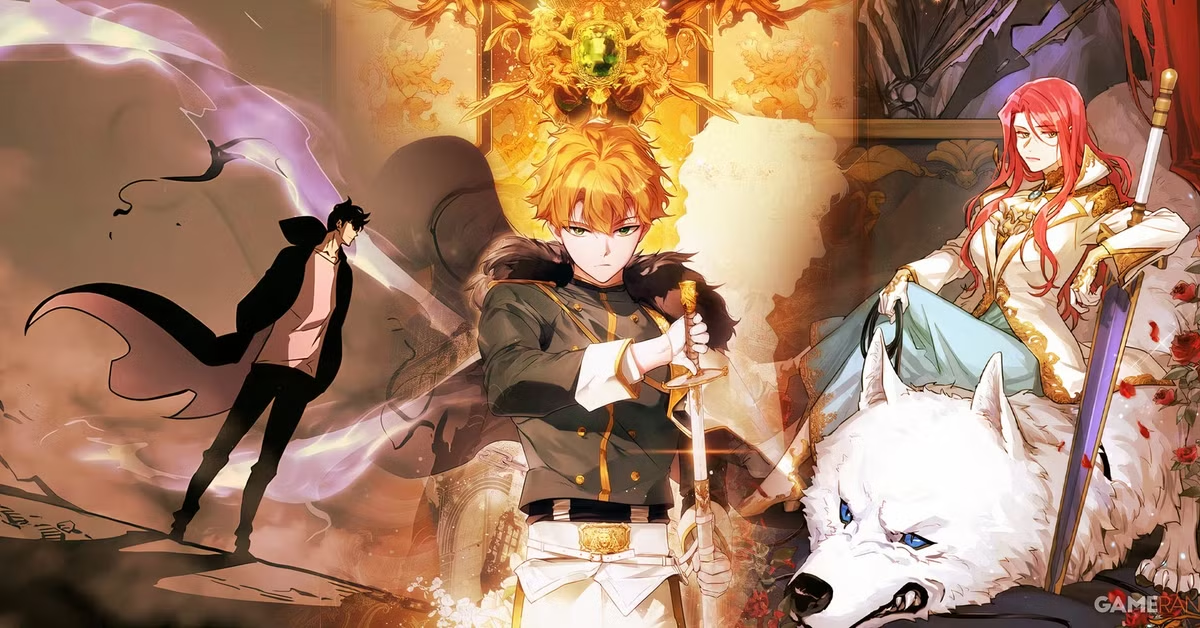
Manga can range from highly detailed realism to simple cartoon designs. The same is true of manhwa. However, readers may notice certain trends in popular digital manhwa, such as polished full-color illustrations, highly detailed character designs, dramatic lighting, and visually elaborate backgrounds.
Popular genres can also influence artistic choices. Romance and fantasy manhwa may emphasize attractive character designs and expressive facial details, while action series may focus heavily on movement and cinematic composition.
Manga has its own broad range of visual traditions, influenced by individual artists, genres, and decades of Japanese comic development.
6. Storytelling and Pacing
Both manga and manhwa can tell long, complex stories, but digital formats can affect how those stories are paced.
Vertical webtoon layouts allow creators to control the distance between scenes. A short interaction might use several closely spaced panels, while a dramatic moment can be separated by a large amount of scrolling space.
Manga traditionally works within page and panel layouts. Page turns can create suspense, while double-page spreads can make major action sequences visually impressive.
Neither approach is inherently better. They simply provide creators with different tools for controlling how readers experience a story.
Why Has Manhwa Become So Popular?
The growing popularity of manhwa is closely connected to the worldwide expansion of digital entertainment.
Smartphones have made vertical comics convenient to read almost anywhere. Readers do not necessarily need physical volumes or specialized comic stores. Instead, they can access digital chapters through online platforms.
Another factor is the variety of available stories. Korean comics cover numerous genres, from romantic dramas and fantasy adventures to action, mystery, historical fiction, and supernatural stories.
The popularity of Korean entertainment has also increased international interest in Korean storytelling. Successful television dramas and other Korean media can introduce audiences to themes and genres that they may later explore through manhwa.
Is Manhwa Better Than Manga?
There is no universal answer because the two formats offer different experiences.
Readers who enjoy traditional black-and-white artwork, page-based layouts, and right-to-left reading may prefer manga. Readers who enjoy full-color illustrations, smartphone-friendly vertical scrolling, and digital-first storytelling may find modern manhwa particularly appealing.
Genre preferences matter as well. Someone interested in a specific romance, fantasy, action, or mystery story may prefer one particular series regardless of whether it is classified as manga or manhwa.
The best approach is to explore both formats and decide which storytelling styles feel most enjoyable.
Can Manhwa and Manga Have Similar Stories?
Absolutely. Both industries use many of the same broad genres and storytelling concepts.
A fantasy manhwa and fantasy manga may both feature magical worlds, powerful characters, battles, rivalries, and quests. Likewise, romance stories from both countries can explore relationships, misunderstandings, friendships, and personal growth.
The similarity in themes does not make them the same format. Cultural influences, artistic choices, publishing methods, and creator backgrounds can still produce very different reading experiences.
Manhwa, Manga, and the Future of Digital Comics
The distinction between manhwa and manga may become less obvious as digital publishing continues to grow.
Creators around the world are experimenting with vertical layouts, full-color artwork, mobile-friendly formats, and international distribution. Japanese manga is increasingly available digitally, while Korean webtoons continue to reach audiences in countries far outside South Korea.
Readers are also becoming less concerned with geographic boundaries. A person might read Japanese manga one day, Korean manhwa the next, and comics from another country afterward.
This international exchange is helping sequential art develop new styles and formats while giving creators access to larger audiences.
Conclusion
Manhwa and manga are both important forms of visual storytelling, but they come from different cultural and publishing traditions. Manhwa is associated with Korea, while manga originates in Japan. Traditional manga is commonly read from right to left, whereas modern digital manhwa frequently uses a vertical scrolling format. Color and artwork can also differ, although neither is an absolute rule.
For new readers, understanding these differences makes it easier to explore the enormous world of Asian comics. Whether someone prefers traditional printed manga or colorful digital manhwa, both formats offer countless stories, characters, and genres to discover.