Why Does My Stomach Get Bloated After Eating?
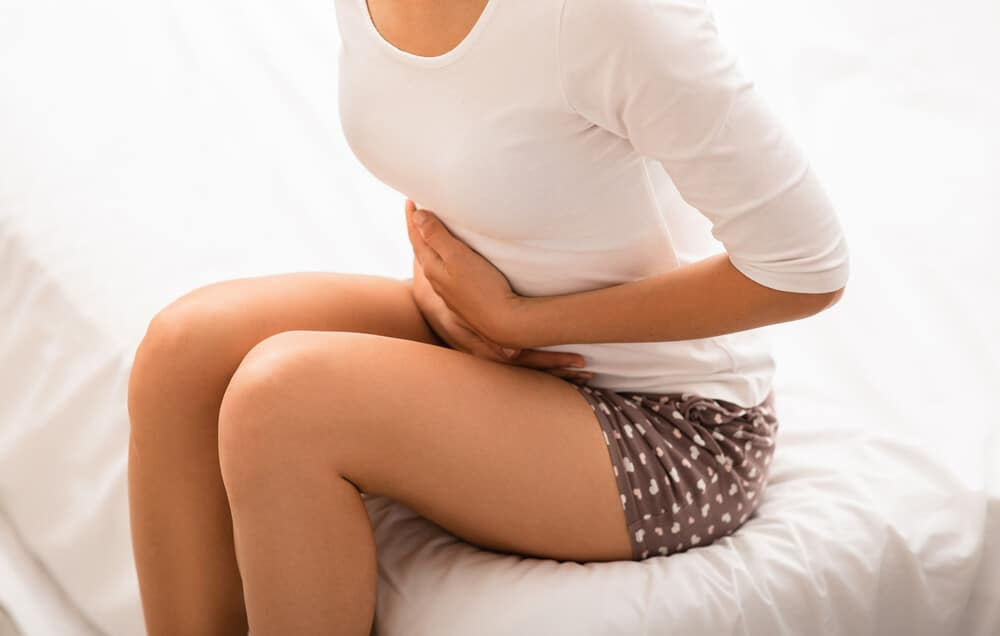
Bloating after eating is a common digestive complaint. You may notice that your stomach feels unusually full, tight, swollen, or uncomfortable shortly after a meal. For some people, it happens occasionally after a large meal, while others experience it regularly regardless of what they eat.
Understanding why bloating happens can make it easier to identify possible triggers. Eating habits, certain foods, food intolerances, constipation, and some digestive conditions can all contribute. If you frequently experience bloating and want to learn more about digestive wellness, DigestivEaz.Com provides information related to digestive health and common stomach concerns.
What Causes Bloating After Eating?
Bloating does not always mean that something is wrong with your digestive system. Digestion naturally produces gas, and eating or drinking can also cause you to swallow air. When gas or digestive contents create pressure in the abdomen, you may experience a feeling of fullness or swelling.
The timing of your symptoms can provide useful clues. Bloating that appears immediately after eating may be connected to eating too quickly, swallowing air, overeating, or drinking carbonated beverages. Bloating that develops later may be related to the digestion and fermentation of certain foods.
Eating Too Quickly
One of the simplest explanations for post-meal bloating is eating too quickly. When you eat fast, you may swallow more air along with your food. This additional air can contribute to burping, abdominal pressure, and bloating.
Eating quickly can also make it easier to consume more food than your body needs before you recognize that you are full. Large meals naturally place more volume in the digestive system and may leave you feeling uncomfortable.
Try slowing down during meals. Chewing thoroughly, putting your utensils down between bites, and taking enough time to finish a meal can reduce the amount of air you swallow.
Certain Foods Can Produce More Gas
Some foods are more likely to cause intestinal gas than others. Beans, peas, lentils, some vegetables, whole grains, and certain fruits contain carbohydrates or fibers that can be fermented by bacteria in the digestive tract.
This does not mean these foods are unhealthy. In fact, many are valuable sources of fiber and nutrients. The issue may be the amount you eat or how your individual digestive system responds.
Carbonated drinks can also contribute to bloating because they introduce additional gas into the digestive system. If you regularly drink soda or other fizzy beverages with meals, try reducing them for a period and observe whether your symptoms change.
Food Intolerances May Be a Factor
If bloating consistently happens after eating a particular food, a food intolerance may be worth considering. Lactose intolerance is one example. People who have difficulty digesting lactose, the sugar found in milk and many dairy products, may experience bloating, gas, cramps, or diarrhea after consuming dairy.
Other carbohydrates and ingredients can also cause digestive symptoms in sensitive individuals. However, it is better not to eliminate large groups of foods unnecessarily. Keeping a food and symptom diary can help identify patterns before making major dietary changes.
If symptoms repeatedly occur after specific foods, a healthcare professional can help determine whether testing or dietary evaluation is appropriate.
Constipation Can Make Bloating Worse
Constipation is another common reason someone may feel bloated after eating. When stool moves slowly through the digestive tract, it can contribute to abdominal fullness and make it harder for gas to pass normally.
You may notice bloating together with infrequent bowel movements, hard stools, straining, or a feeling that you have not completely emptied your bowels.
Adequate fluid intake, regular physical activity, and gradually increasing dietary fiber can support regular bowel movements. However, increasing fiber very quickly can temporarily cause more gas and bloating, so changes should generally be made gradually.
Indigestion and Functional Digestive Problems
Bloating can sometimes occur alongside indigestion. Indigestion may cause upper-abdominal discomfort, early fullness, belching, nausea, or a feeling of uncomfortable fullness after meals.
Some people have functional digestive disorders in which symptoms occur without an obvious structural problem. For example, functional dyspepsia can cause bloating, nausea, belching, and fullness after eating.
If your symptoms are frequent or persistent, it is worth discussing them with a healthcare professional rather than assuming that a particular food is always responsible.
Could IBS Be Causing Your Bloating?
Irritable bowel syndrome, commonly called IBS, is another possible explanation for recurring bloating. IBS can involve abdominal discomfort together with changes in bowel habits, such as constipation, diarrhea, or alternating between the two.
People with IBS may notice that particular foods, stress, changes in routine, or other factors make symptoms worse. Because IBS symptoms can overlap with several other digestive conditions, recurring symptoms should be evaluated rather than self-diagnosed.
How to Reduce Bloating After Meals
A few practical habits may help reduce occasional post-meal bloating:
- Eat meals slowly rather than rushing.
- Avoid overeating and consider smaller portions if large meals cause discomfort.
- Limit carbonated drinks if they trigger symptoms.
- Chew food thoroughly.
- Pay attention to foods that repeatedly cause symptoms.
- Keep a food and symptom diary for several weeks.
- Stay physically active and avoid sitting completely still for long periods after meals.
- Drink enough fluids throughout the day.
- Increase fiber gradually rather than making a sudden large increase.
A short walk after eating may also be useful for some people. The goal is not to eliminate every food that might cause gas, but to understand your individual triggers while maintaining a balanced diet.
For additional information about common causes of gas and bloating and practical ways to manage them, Mayo Clinic’s guide to gas and bloating is a useful medical resource.
When Should You See a Doctor?
Occasional bloating after a large meal is usually not a reason for alarm. However, persistent or severe symptoms deserve professional attention.
Speak with a healthcare professional if bloating keeps returning, does not improve with simple dietary or lifestyle changes, or significantly interferes with everyday activities. You should also seek medical advice if bloating occurs with persistent abdominal pain, diarrhea, constipation, unexplained weight loss, blood in the stool, repeated vomiting, or significant changes in bowel habits.
Sudden or severe abdominal pain, particularly when accompanied by other serious symptoms, requires prompt medical evaluation.
Conclusion
So, why does your stomach get bloated after eating? There is no single answer. Eating too quickly, swallowing air, large meals, carbonated drinks, certain gas-producing foods, constipation, food intolerances, and digestive conditions can all play a role.
The best approach is to look for patterns rather than immediately removing numerous foods from your diet. Pay attention to when bloating occurs, what you ate, how much you ate, and whether other symptoms appear. If the problem is persistent or accompanied by concerning symptoms, a healthcare professional can help identify the underlying cause and recommend appropriate treatment.