
Beginner-Friendly Tech, Gaming, and Geek Culture Guides
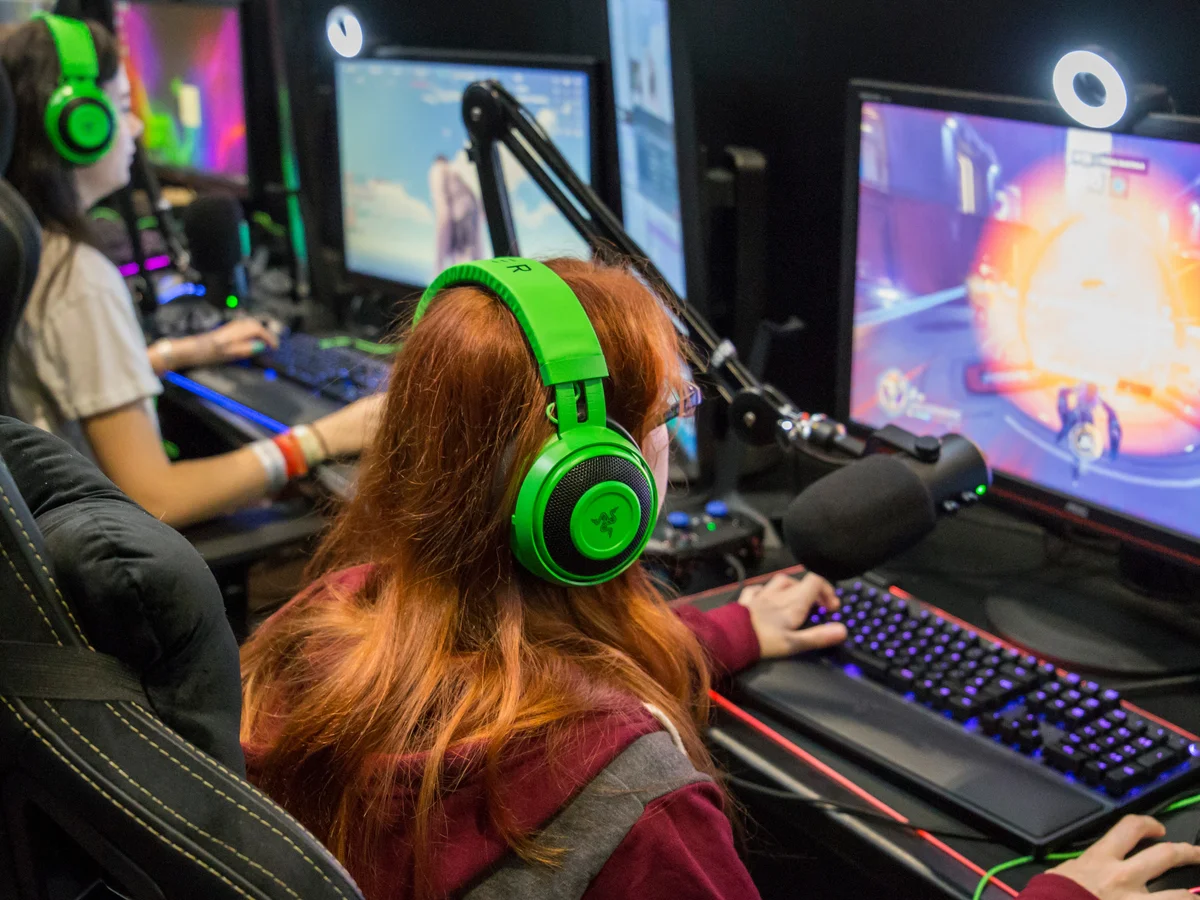
Technology and gaming have become major parts of everyday entertainment and online culture. From building a first gaming PC to understanding new software, exploring classic games, or discovering the latest trends in geek culture, there is always something new to learn. For beginners, however, the sheer amount of information available online can make getting started feel overwhelming.
A good beginner-friendly guide can make that learning process much easier. Resources such as geekzilla io can help readers explore technology, gaming, and geek culture topics in a more approachable way, especially when they want useful information without unnecessary technical complexity.
Why Beginner-Friendly Guides Matter
Technology guides are often written by people who already understand the subject. As a result, they may skip basic explanations or use technical terms without defining them. Experienced readers may understand these details immediately, but beginners can quickly become confused.
Beginner-friendly content takes a different approach. It starts with the fundamentals, explains unfamiliar terminology, and presents instructions in a logical order.
This does not mean simplifying information to the point where it becomes unhelpful. Instead, the goal is to make useful information accessible while still providing enough detail for readers to develop real skills.
Start With Basic Technology Concepts
Beginners interested in gaming and geek culture can benefit from learning a few basic technology concepts first.
Understanding Computer Hardware
A gaming computer contains several important components, including a processor, graphics card, memory, storage, motherboard, power supply, and cooling system.
Understanding what each component does makes it easier to compare computers and decide which upgrades actually matter.
For example, the graphics card has a major influence on gaming performance, while sufficient memory can help a computer handle multiple applications smoothly.
Beginners do not need to become hardware experts immediately. Learning the basic role of each component provides a strong foundation for future research.
Learn Common Technical Terms
Gaming and technology communities use many specialized terms. Words such as FPS, GPU, CPU, latency, refresh rate, resolution, SSD, and RAM can initially seem confusing.
A useful beginner guide should explain these terms in plain language and connect them to real-world examples.
Once the terminology becomes familiar, researching more advanced topics becomes significantly easier.
Building a Beginner Gaming Setup
A new gamer does not need the most expensive equipment available.
A basic setup might include a computer or console, display, keyboard and mouse or controller, headphones, and a comfortable place to play.
Choose Hardware Based on Your Needs
Hardware decisions should depend on the games you want to play rather than on specifications alone.
Someone interested in lightweight indie games may have very different requirements from someone who wants to play demanding modern titles at high resolutions.
Beginners should therefore identify the types of games they enjoy before spending money on upgrades.
Don’t Ignore Comfort
A good gaming environment is not only about performance. Comfort matters too.
A suitable chair, properly positioned monitor, adequate lighting, and an organized desk can make longer gaming sessions more enjoyable.
Small improvements to ergonomics can often be more valuable than purchasing another expensive accessory.
Understanding Gaming Performance
Gaming performance can be affected by several different factors.
Frame rate, resolution, graphics settings, processor performance, graphics processing capability, and system memory can all influence the experience.
Beginners should understand that higher numbers are not automatically better in every situation. The ideal combination depends on the game, display, hardware, and desired experience.
Learning how these factors interact can help players make sensible upgrade decisions instead of purchasing components based solely on marketing claims.
How to Choose Games as a Beginner
The gaming world includes countless genres, from role-playing games and strategy titles to racing, simulation, puzzle, adventure, and competitive multiplayer games.
Beginners can start by thinking about the experiences they enjoy.
Do you like solving problems? Strategy games may be appealing. Prefer fast action? Competitive or action titles might be a better fit. Enjoy storytelling? Narrative-driven adventures and role-playing games could be worth exploring.
Check Ratings and Content Information
Game ratings can also help players and families make informed decisions.
The Entertainment Software Rating Board, or ESRB, provides age ratings, content descriptors, and information about interactive features. Its rating system can help consumers understand what type of content a game contains before purchasing or playing it.
This is particularly useful for parents choosing games for younger players.
Learning Through Gaming Tutorials
Gaming tutorials are useful for more than learning how to win.
A good guide can explain controls, game mechanics, character development, resource management, strategy, maps, equipment, and other systems.
For beginners, tutorials should be approached as learning tools rather than simply lists of instructions.
For example, instead of memorizing a specific strategy, try to understand why that strategy works. Once the underlying principle is understood, it can often be adapted to different situations.
Exploring Geek Culture
Geek culture extends far beyond video games.
It includes comics, science fiction, fantasy, anime, movies, television, collectibles, technology, tabletop games, programming, and online communities.
One of the most enjoyable aspects of geek culture is discovering connections between different interests.
Someone who begins with gaming might become interested in game development. A fan of science-fiction movies might discover novels or tabletop role-playing games. A technology enthusiast might become interested in computer building or programming.
Beginner guides can provide an easy entry point into these communities.
Getting Into Anime, Comics, and Sci-Fi
Newcomers often face a problem when entering established fandoms: where should they begin?
Long-running franchises can have dozens of games, movies, books, comics, or television episodes.
A beginner-friendly guide can make this easier by explaining the basic setting, introducing important characters, and suggesting a sensible starting point.
Instead of presenting an enormous list of content, useful guides can organize recommendations according to experience level or personal interests.
Understanding Online Gaming Communities
Modern gaming is increasingly social. Players can communicate through voice chat, text messaging, forums, streaming platforms, and multiplayer communities.
This creates opportunities to meet people with similar interests, but beginners should also understand basic online etiquette.
Respectful communication, avoiding harassment, protecting personal information, and reporting inappropriate behavior are important parts of participating in gaming communities.
New players should also be cautious about sharing sensitive personal details with people they meet online.
Gaming and Digital Safety
Digital safety is an important part of modern gaming.
Players should protect their accounts with strong passwords and, where available, additional authentication methods. They should also be careful with suspicious links, unofficial downloads, and requests for account information.
Parents can take additional steps when children play online. Modern gaming devices commonly provide controls that can help parents manage play time, spending, game access, and online communication. The ESRB provides detailed parental control guidance covering major gaming platforms.
These tools can help families create safer and more controlled gaming environments.
How to Learn Technology Without Feeling Overwhelmed
Beginners often make the mistake of trying to learn everything at once.
A better approach is to divide learning into manageable topics.
Start with basic hardware. Then learn how software works. After that, explore gaming settings, online safety, troubleshooting, and more advanced subjects.
Practice Instead of Only Reading
Reading a guide is useful, but applying the information is even better.
If you learn what a graphics setting does, experiment with it. If you read about computer components, compare the hardware inside your own system. If you learn about game mechanics, test them during gameplay.
Practical experience helps information become easier to remember.
Keep a Personal Reference
Save useful guides or maintain simple notes containing technical terms, troubleshooting solutions, keyboard shortcuts, and hardware information.
Over time, these notes can become a personalized technology reference that makes future problems easier to solve.
Troubleshooting Common Gaming Problems
Every gamer eventually encounters technical problems.
A game may crash, performance may suddenly drop, an update may fail, or a controller may stop responding.
Beginners should develop a simple troubleshooting routine.
First, identify exactly what is happening. Then check basic possibilities such as restarting the application, checking connections, confirming available storage, updating software, and reviewing settings.
Avoid changing several things simultaneously. Making one adjustment at a time makes it easier to identify what actually solved the problem.
Finding Reliable Geek and Gaming Information
Not every online guide is equally trustworthy.
When researching technology or gaming topics, look for content that explains its recommendations, distinguishes facts from opinions, and avoids exaggerated claims.
It is also useful to compare information from multiple sources when making expensive hardware decisions.
A strong guide should help readers understand their options rather than simply telling them what to buy or believe.
Keep Exploring and Experimenting
Technology, gaming, and geek culture are constantly changing. New hardware, games, platforms, communities, and creative projects appear every year.
For beginners, this can seem intimidating, but it can also be exciting.
The most useful mindset is curiosity. You do not need to understand everything immediately. Start with one topic, learn the basics, practice what you discover, and gradually move toward more advanced subjects.
Conclusion
Beginner-friendly tech, gaming, and geek culture guides can turn complicated subjects into approachable learning experiences. Whether someone is choosing their first gaming setup, learning computer terminology, exploring a new game genre, or discovering a new fandom, clear guidance can make the process much more enjoyable.
The key is to learn progressively. Understand the fundamentals, practice through real examples, protect your accounts and personal information, and explore subjects that genuinely interest you.
With the right resources and a willingness to experiment, beginners can quickly move from simply consuming technology and gaming content to understanding how these worlds work—and becoming confident members of the communities built around them.
- How to Avoid Suspicious Links on Manga Websites
- Small Changes, Big Results: A Practical Guide to Personal Development
- How to Choose Compatible Songs for DJ Mixing
- How Much RAM Do You Really Need on a Phone?
- How to Identify Fake or Misleading Websites

Dr. Emma Green is a health and wellness expert with over 10 years of experience in nutrition and fitness. Passionate about helping others live their healthiest lives, Dr. Green shares practical advice on wellness, nutrition, and sustainable living through LivingSpristine.