
How to Choose Compatible Songs for DJ Mixing
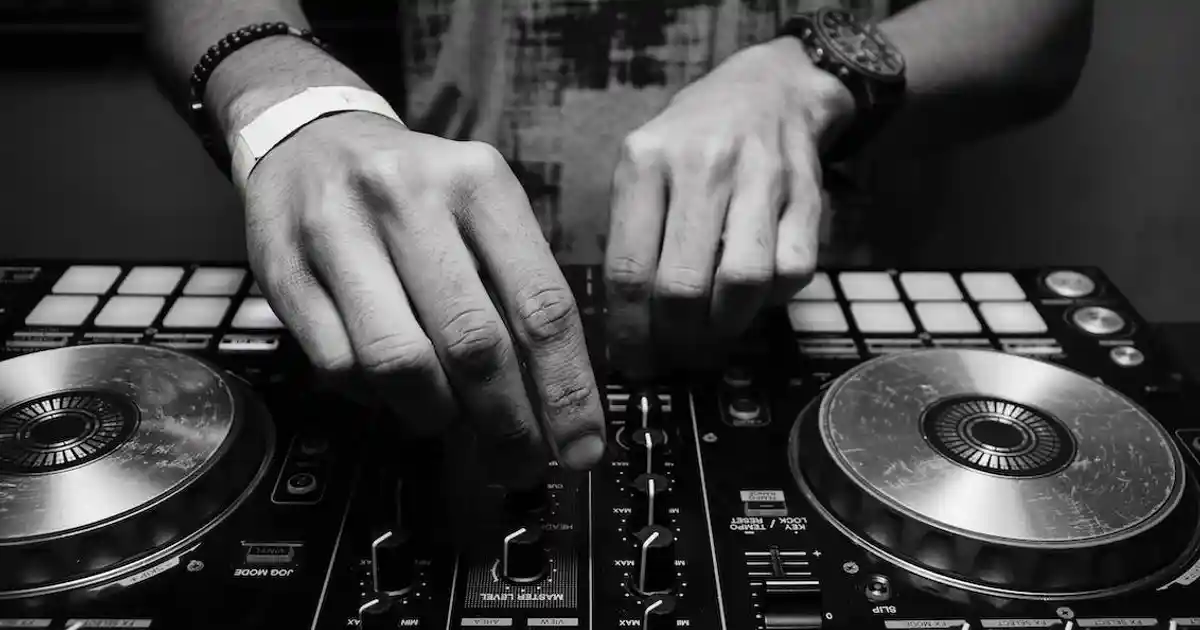
A smooth DJ mix is about more than pressing play on the next song at the right moment. The songs need to work together in terms of tempo, key, rhythm, energy, and structure. When these elements fit, the transition can feel natural, even when the audience does not notice exactly how the DJ made it happen.
For beginners, choosing the next song can sometimes feel difficult. A track may sound great on its own but create an awkward transition when mixed with another song. Learning a few basic principles can make song selection much easier and help DJs build sets that flow from one track to the next.
One useful approach is to organize your music around information such as BPM, musical key, and genre. Tools such as TuneBat can help DJs explore song information and compare tracks when planning a playlist or preparing for a DJ set. Instead of choosing songs randomly, you can use this information as a starting point for finding combinations that are more likely to work together.
Start With BPM
BPM, or beats per minute, tells you how fast a song is. It is one of the first things DJs should consider when choosing a compatible track.
For example, if the current song is playing at 124 BPM, moving directly to a track at 90 BPM may create a major change in energy and rhythm. That does not mean the transition is impossible, but it may require a creative technique rather than a simple blend.
For a traditional beatmatched transition, look for songs with relatively close tempos. A difference of a few BPM is often easier to manage because the incoming track does not need to be heavily sped up or slowed down.
However, BPM should not become a strict rule. Experienced DJs can intentionally move between different tempos to create contrast. The important thing is to understand the effect that the tempo change will have on the audience and the overall direction of the set.
Check the Musical Key
Tempo is only one part of song compatibility. Musical key can be just as important, particularly when two tracks contain strong melodies, vocals, basslines, or chords at the same time.
When two songs are in compatible keys, their musical elements can blend more naturally. When the keys clash, the result may sound tense, dissonant, or simply uncomfortable.
This is where harmonic mixing becomes useful. DJs can check the key of their tracks and look for songs that are in the same key or use compatible key relationships.
You do not need to become an expert in music theory to start using harmonic mixing. Most modern DJ software can analyze tracks and display their musical key. Some music-management and DJ tools also use systems such as Camelot-style notation to make compatible key changes easier to understand.
Consider the Genre and Musical Style
Two songs can have similar BPMs and compatible keys but still sound strange together if their styles are too different.
For example, a deep house track and an aggressive drum and bass track may have compatible musical information, but their rhythms, sound design, and energy can be completely different.
This does not mean DJs should only mix songs from the same genre. Creative DJs regularly combine different styles. The key is understanding how the songs relate to each other.
When selecting the next track, consider:
- Genre and subgenre
- Drum pattern
- Overall energy
- Vocal style
- Bassline
- Instrumentation
- Mood
- Audience expectations
A house track can often move naturally into another house or dance track, while a major genre change may work better after a breakdown, vocal section, effects transition, or other musical reset.
Pay Attention to Song Structure
Song structure is another important part of choosing compatible tracks. A DJ needs to know where the intro, verse, chorus, breakdown, buildup, drop, and outro occur.
Many electronic tracks have extended intros and outros that make mixing easier. These sections may contain fewer melodic elements, giving the DJ more space to introduce another track.
Phrase mixing is particularly useful here. Instead of bringing in the next song at an arbitrary moment, you can align sections of both tracks so that important musical changes happen at logical points.
For example, you might introduce a new track during the outro of the current song and allow its first major drop to arrive after the previous track has moved into a less busy section.
Understanding song structure can make a mix sound intentional rather than simply synchronized.
Match Energy, Not Just Numbers
One common mistake is relying too heavily on BPM and key information.
A DJ might find a song with the perfect BPM and compatible key but discover that it completely changes the mood of the dance floor. This happens because technical compatibility does not always equal musical compatibility.
Think about the energy level of each song. Is the current track building toward something? Is the audience already dancing at a high intensity? Is it time to introduce a calmer section?
You can think of a DJ set as a journey. Each song should contribute to the direction of that journey.
Sometimes the best next track is not the one with the closest BPM. It may be the track that creates the right emotional or energetic movement.
Use Vocals Carefully
Vocals require special attention because they can quickly become crowded when two songs are playing together.
Mixing a vocal-heavy section from one track over another vocal-heavy section can make the transition difficult to follow. Listeners may hear two different singers competing for attention.
One solution is to introduce the second song during an instrumental section. You can also use the intro or outro of a track before bringing in its main vocal.
Another creative option is to combine a vocal from one song with an instrumental or less crowded section of another. This can produce interesting blends when the keys, rhythms, and phrasing work together.
Test the Combination Before Playing It Live
Even if two tracks look compatible on paper, always listen to the combination before using it in an important performance.
Load both tracks into your DJ software and listen through the intended transition. Pay attention to the bass frequencies, vocals, melodies, drum patterns, and overall energy.
Try the transition at different points in each song. Sometimes moving the incoming track forward or backward by a few bars can completely change the result.
It is also worth checking how the songs sound after tempo adjustment. A track that sounds good at its original speed may change slightly when it is pushed several BPM away from its original tempo.
Build Playlists Around Compatible Tracks
Instead of searching for a new song during every transition, prepare groups of tracks before your performance.
You could create playlists based on:
- Similar BPM ranges
- Compatible musical keys
- Energy levels
- Genres
- Event type
- Opening tracks
- Peak-time tracks
- Closing tracks
This makes it easier to react during a live set. You already have several possible options available instead of having to search through your entire music library.
Berklee Online’s DJ curriculum also covers fundamentals such as beatmatching, phrase mixing, EQ, beatgrids, and harmonic mixing, showing how these techniques work together as part of a broader DJ workflow. Learn more about DJ mixing fundamentals from Berklee Online.
Trust Your Ears
Technical information is useful, but it should support your ears rather than replace them.
A song can have the right BPM, a compatible key, and a similar genre while still sounding wrong in a particular transition. Conversely, two tracks that do not appear perfectly matched may work surprisingly well with the right EQ, effects, looping, or transition technique.
Use song data to narrow down your choices, then listen carefully to the actual combination.
The more you practice, the easier it becomes to recognize good combinations before even loading the tracks together.
Final Thoughts
Choosing compatible songs for DJ mixing involves more than finding tracks with similar BPMs. Tempo, musical key, genre, song structure, vocals, energy, and phrasing all contribute to a successful transition.
Start by checking BPM and key, then listen to how the tracks actually interact. Pay attention to where vocals, basslines, drops, and major musical changes occur. Most importantly, practice different combinations and learn what works with your personal DJ style.
With organized music and regular practice, choosing the next track becomes less of a technical problem and more of a creative decision. That is where DJ mixing becomes more enjoyable—and where a collection of individual songs can start to feel like one complete musical journey.