
Home Healthcare Support for Elderly Parents
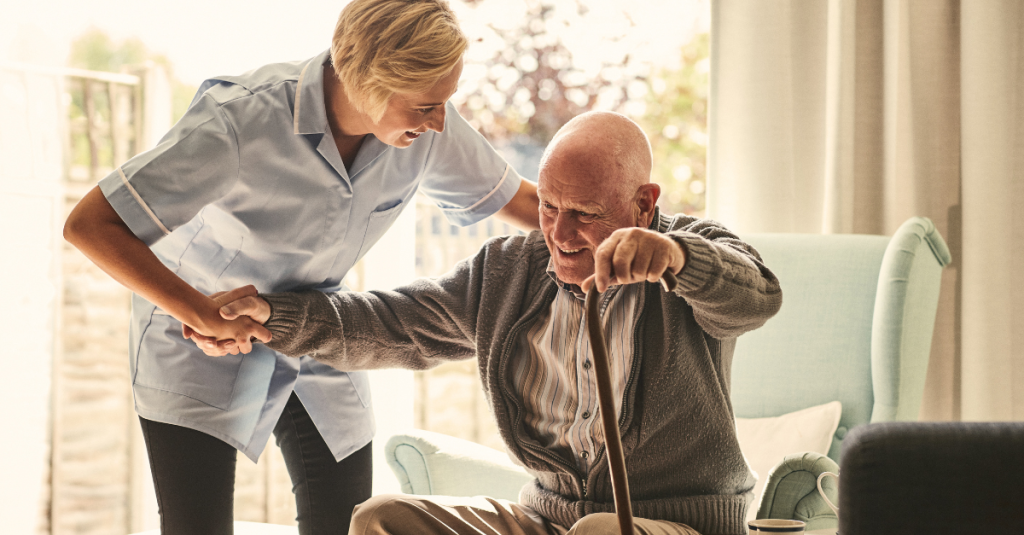
As parents grow older, their physical, emotional, and medical needs often increase. Many families begin searching for the best ways to support aging parents while helping them maintain comfort, dignity, and independence. For most seniors, staying at home feels safer and emotionally comforting because they remain surrounded by familiar environments, memories, routines, and loved ones.
Because of this, home healthcare support for elderly parents has become one of the most important caregiving solutions for modern families. Home healthcare allows elderly individuals to receive personal assistance, emotional support, medical care, and daily living help while remaining in their own homes.
Unlike nursing homes or long-term care facilities, home healthcare creates a more personal and flexible caregiving environment. It allows seniors to maintain independence while receiving support that matches their individual needs.
Family wellness and caregiving awareness platforms such as interviewlibrary.info often discuss lifestyle improvement, healthcare awareness, emotional wellness, and supportive caregiving practices that help families create healthier and safer living environments for elderly loved ones.
This article explains the importance of home healthcare support for elderly parents and provides practical strategies for improving senior safety, comfort, emotional wellness, and quality of life at home.
Understanding Home Healthcare Support
Home healthcare support includes a variety of caregiving services provided to elderly individuals in their own homes.
The goal of home healthcare is to help seniors:
- Maintain independence
- Improve safety
- Receive medical assistance
- Manage chronic conditions
- Maintain emotional wellness
- Improve quality of life
Home healthcare support may involve:
- Family caregivers
- Professional caregivers
- Nurses
- Therapists
- Home health aides
The level of care depends on the elderly person’s physical, emotional, and medical needs.
Why Many Seniors Prefer Home Healthcare
Most elderly individuals feel emotionally connected to their homes. Familiar surroundings often create feelings of comfort, security, and stability.
Benefits of Home Healthcare for Seniors
Emotional Comfort
Remaining at home reduces stress and anxiety.
Familiar Environment
Seniors remain surrounded by personal belongings and memories.
Greater Independence
Home care often allows seniors to maintain daily routines and decision-making abilities.
Personalized Attention
Care plans can be customized according to individual needs.
Family Involvement
Home care allows families to remain closely involved in caregiving.
Many seniors experience improved emotional well-being when cared for in familiar environments.
Assessing Elderly Parents’ Needs
Before creating a caregiving plan, families should carefully evaluate the needs of elderly parents.
Important Areas to Assess
Physical Health
Evaluate:
- Mobility
- Balance
- Strength
- Vision
- Hearing
Daily Activities
Determine whether parents can safely manage:
- Bathing
- Dressing
- Cooking
- Walking
- Medication management
Emotional Wellness
Watch for signs of:
- Loneliness
- Depression
- Anxiety
- Memory problems
- Emotional withdrawal
Medical Conditions
Understand any chronic illnesses such as:
- Diabetes
- Heart disease
- Arthritis
- Dementia
- Hypertension
A proper understanding of care needs helps families provide safer and more effective support.
Creating a Safe Home Environment
Safety is one of the most important parts of home healthcare support for elderly parents.
Older adults face increased risks of falls and injuries, especially inside the home.
Important Home Safety Improvements
Improve Lighting
Well-lit rooms and hallways reduce fall risks.
Remove Tripping Hazards
Remove:
- Loose rugs
- Electrical cords
- Clutter
- Unstable furniture
Install Safety Equipment
Bathrooms may require:
- Grab bars
- Non-slip mats
- Shower chairs
Stair Safety
Handrails and improved stair lighting increase safety.
Keep Important Items Accessible
Place medications, phones, water, and frequently used items within easy reach.
Small home changes can significantly improve senior safety and independence.
Helping With Daily Living Activities
Many elderly parents eventually need assistance with daily tasks.
Common Daily Care Activities
- Bathing
- Dressing
- Grooming
- Meal preparation
- Medication reminders
- Housekeeping
- Transportation
Providing respectful assistance helps seniors maintain confidence and dignity.
Medication Management for Seniors
Medication mistakes can become dangerous for elderly individuals.
Healthy Medication Management Tips
Use Pill Organizers
Pill boxes help prevent missed or repeated doses.
Create Medication Schedules
Organized schedules improve consistency.
Monitor Side Effects
Watch for:
- Dizziness
- Confusion
- Fatigue
- Allergic reactions
Attend Medical Appointments
Regular doctor visits help monitor medications safely.
Good medication management supports better long-term health.
Nutrition and Healthy Eating for Elderly Parents
Healthy nutrition is essential for senior wellness, energy, and immune function.
However, aging often affects appetite, digestion, and meal preparation abilities.
Healthy Nutrition Tips for Seniors
Prepare Balanced Meals
Healthy meals should include:
- Fruits
- Vegetables
- Lean proteins
- Whole grains
- Healthy fats
Encourage Hydration
Many elderly individuals do not feel thirsty even when dehydrated.
Make Meals Easier
Simple and easy-to-eat meals reduce stress and improve nutrition.
Limit Excess Sugar and Salt
Balanced diets support heart health and blood pressure control.
Healthy eating habits improve both physical and emotional wellness.
Emotional Support and Companionship
Emotional health is just as important as physical care.
Many seniors experience loneliness, especially if they live alone or have limited mobility.
Ways to Support Emotional Wellness
Spend Quality Time Together
Simple conversations improve emotional comfort.
Encourage Social Activities
Help seniors stay connected with:
- Family
- Friends
- Community groups
Participate in Activities
Activities such as:
- Reading
- Gardening
- Music
- Board games
- Watching favorite shows
can improve mood and reduce isolation.
Emotional support greatly improves overall quality of life.
Building Healthy Daily Routines
Structured routines create stability and comfort for elderly individuals.
Benefits of Daily Routines
Routines may help:
- Reduce confusion
- Improve sleep
- Support medication schedules
- Lower stress
- Improve emotional comfort
Consistent routines help seniors feel safer and more organized.
Encouraging Physical Activity
Safe physical activity supports both mental and physical health.
Safe Activities for Seniors
Walking
Walking improves circulation and mobility.
Stretching
Stretching helps reduce stiffness.
Chair Exercises
Helpful for seniors with limited movement.
Gardening
Gardening encourages light activity and relaxation.
Regular movement supports independence and reduces weakness.
Supporting Mental Health and Memory
Mental wellness strongly affects senior health.
Signs of Mental Health Struggles
- Withdrawal
- Sadness
- Irritability
- Confusion
- Anxiety
Healthy Mental Wellness Activities
Memory Games
Puzzles and games keep the brain active.
Reading and Conversation
Mental stimulation supports cognitive health.
Relaxation Techniques
Deep breathing and calming activities reduce stress.
Maintaining emotional and mental wellness improves overall health.
Understanding Dementia and Memory Care
Some elderly parents may develop memory-related conditions such as dementia or Alzheimer’s disease.
Common Signs of Memory Problems
- Forgetfulness
- Confusion
- Difficulty recognizing people
- Repeating questions
- Wandering
Families caring for seniors with memory conditions often benefit from professional support and structured caregiving routines.
Knowing When Professional Help Is Needed
Family caregivers may eventually need outside assistance.
Professional caregivers can provide:
- Medical support
- Personal care
- Physical therapy
- Skilled nursing
- Respite care
Signs Professional Help May Be Needed
- Frequent falls
- Medication confusion
- Severe memory problems
- Difficulty bathing or eating
- Caregiver exhaustion
Professional support can improve care quality while reducing family stress.
Preventing Caregiver Burnout
Caregiving can become physically and emotionally exhausting.
Signs of Caregiver Burnout
- Stress
- Fatigue
- Sleep problems
- Emotional exhaustion
- Irritability
Healthy Caregiver Self-Care Habits
Ask for Help
Family members should share responsibilities.
Take Regular Breaks
Rest improves emotional wellness.
Maintain Personal Health
Caregivers should prioritize:
- Sleep
- Nutrition
- Exercise
- Emotional support
Healthy caregivers provide better support to elderly parents.
Technology and Modern Home Healthcare
Technology is improving home healthcare significantly.
Helpful Healthcare Technologies
- Medication reminder apps
- Emergency alert systems
- Telemedicine appointments
- Smart monitoring devices
Technology helps improve safety and caregiver communication.
Respecting Elderly Independence and Dignity
One of the most important caregiving principles is respecting independence.
Healthy Caregiving Approaches
- Involve seniors in decisions
- Respect preferences
- Encourage independence when safe
- Communicate patiently
Respectful caregiving improves emotional well-being and trust.
Financial Planning for Elderly Care
Home healthcare may involve ongoing expenses.
Helpful Financial Planning Tips
- Research insurance coverage
- Explore community programs
- Plan caregiving budgets early
- Consider part-time professional care
Planning ahead reduces future financial stress.
Importance of Family Communication
Strong communication improves caregiving coordination.
Helpful Communication Tips
- Share caregiving updates
- Discuss schedules openly
- Respect family limitations
- Solve concerns calmly
Teamwork creates more stable caregiving environments.
The Importance of Patience and Compassion
Aging often brings emotional, physical, and cognitive challenges.
Patience, kindness, and understanding are extremely important when supporting elderly parents.
Small acts of compassion can improve:
- Emotional comfort
- Trust
- Confidence
- Family relationships
FAQs
1. What is home healthcare support for elderly parents?
Home healthcare support includes personal care, medical assistance, emotional support, and daily living help provided to elderly parents at home.
2. Why do many seniors prefer home healthcare?
Many seniors feel safer and more emotionally comfortable in familiar surroundings with family support and independence.
3. How can families improve home safety for elderly parents?
Families can improve safety by removing tripping hazards, improving lighting, installing grab bars, and organizing important items safely.
4. When should families consider professional caregiving help?
Professional help may be needed if elderly parents experience mobility problems, memory loss, medication confusion, or difficulty with daily activities.
5. How can caregivers avoid burnout?
Caregivers should take breaks, ask for help, maintain healthy habits, and seek emotional support when needed.
Conclusion
Home healthcare support for elderly parents helps seniors maintain comfort, dignity, safety, and independence while receiving care in familiar surroundings. Effective caregiving includes emotional support, healthy nutrition, medication management, safe home environments, physical activity, and respectful communication.
Family caregivers play a very important role, but professional assistance, structured routines, and healthy support systems can greatly improve long-term care quality.
With patience, planning, compassion, and teamwork, families can help elderly parents enjoy healthier, safer, and more comfortable lives at home.
- Where Can I Discover New Movies and TV Shows?
- Why Does My Stomach Get Bloated After Eating?
- Do You Need a Panel Upgrade Before Solar?
- What Is Manhwa and How Is It Different From Manga?
- What Is Manhwa and How Is It Different From Manga?

Dr. Emma Green is a health and wellness expert with over 10 years of experience in nutrition and fitness. Passionate about helping others live their healthiest lives, Dr. Green shares practical advice on wellness, nutrition, and sustainable living through LivingSpristine.