
Do You Need a Panel Upgrade Before Solar?
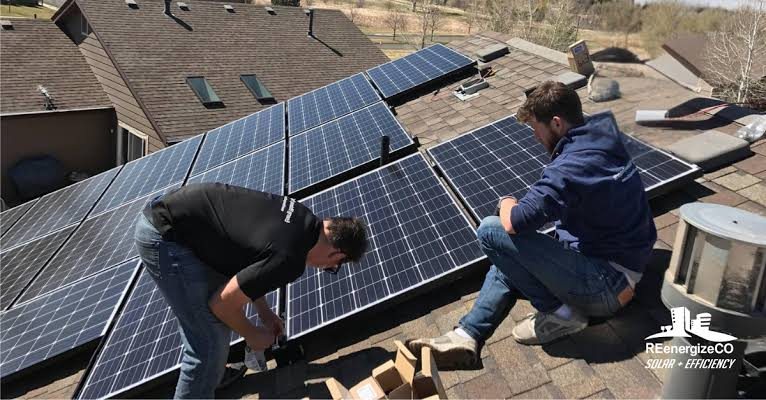
Installing solar panels can be an excellent way to generate electricity at home, but there is more to a solar installation than choosing panels and placing them on the roof. Your home’s existing electrical system also needs to be evaluated. One of the most common questions homeowners ask is whether they need to upgrade their electrical panel before installing solar.
The answer is: not always. Some homes can accommodate a solar system with the existing panel, while others may require an upgrade because of capacity, available breaker space, equipment condition, or local electrical requirements. A professional assessment can determine which situation applies to your home. Homeowners considering the electrical side of solar can also learn more about available services from EvolutionElectricSolar.com.
What Does an Electrical Panel Do?
The electrical panel is the central point where electricity enters your home and is distributed to individual circuits. It contains breakers that protect wiring and appliances from excessive current.
When solar panels are installed, the electricity they produce passes through an inverter and is connected to the home’s electrical system. This means the existing panel becomes an important part of the solar installation.
A panel may be perfectly suitable for solar, but its capacity and configuration need to be checked before installation. The age and condition of the equipment can also matter.
When Is a Panel Upgrade Necessary?
There are several situations where an electrical panel upgrade may be recommended or required.
1. The Existing Panel Does Not Have Enough Capacity
Your home has an electrical load based on appliances and equipment such as air conditioners, electric water heaters, ovens, EV chargers, and other devices.
Adding solar changes the electrical system and may require additional capacity depending on the size and design of the system. An electrician or solar professional can perform a load calculation to determine whether the existing panel can accommodate the proposed installation.
A larger solar system may place different demands on the electrical infrastructure than a smaller system, so the answer cannot be determined simply by looking at the number of solar panels.
2. There Is Not Enough Breaker Space
Capacity is not the only consideration. Your panel also needs suitable physical space for the required equipment.
Older panels may already be filled with breakers, leaving no appropriate space for the solar connection. In some cases, a solution other than a complete panel replacement may be possible, but that depends on the panel design and applicable electrical requirements.
3. The Panel Is Very Old
Some older homes have electrical panels that were installed decades ago. Even when an old panel technically has enough capacity, its age or condition may make it unsuitable for a new solar installation.
Signs of concern can include corrosion, damaged components, overheating, unusual noises, or outdated equipment.
A solar project can be a good opportunity to address an aging electrical system rather than connecting new equipment to infrastructure that may already need attention.
4. You Are Adding Other High-Power Equipment
Solar is often installed alongside other home improvements. You may also be planning an electric vehicle charger, heat pump, electric range, battery storage system, or other major electrical equipment.
In that situation, the electrician should consider the home’s broader future electrical needs rather than evaluating the solar installation in isolation.
The U.S. Department of Energy notes that panel upgrades can sometimes be needed when homeowners add new electrical equipment, making an overall electrical assessment useful when planning multiple upgrades.
Does Every Home Need a 200-Amp Panel for Solar?
Not necessarily.
A common misconception is that every homeowner must upgrade to a 200-amp electrical panel before installing solar. In reality, the appropriate solution depends on the home’s electrical load, the proposed solar system, the existing service equipment, and local requirements.
A properly sized electrical system may be able to support solar without replacing the panel. In other situations, an upgrade may be necessary.
The important point is to avoid making the decision based solely on the panel’s amp rating. A qualified professional should evaluate the complete electrical setup.
What Happens During a Panel Assessment?
Before installation, an electrician or solar contractor can inspect several aspects of the home’s electrical system.
The assessment may include:
- Existing panel size and condition
- Main breaker rating
- Available breaker space
- Existing electrical loads
- Proposed solar system size
- Wiring and service equipment
- Local electrical requirements
- Utility interconnection requirements
- Planned future electrical upgrades
The solar system also needs to be designed around the home’s energy consumption. Reviewing electricity bills can help installers understand how much electricity the household uses and whether the proposed system is appropriately sized.
The Department of Energy’s homeowner guidance recommends considering factors such as roof suitability, energy needs, and the electrical requirements of the solar installation before going solar.
Can You Install Solar Without Replacing the Panel?
Yes, in some cases.
If the existing panel has adequate capacity, suitable breaker space, and meets applicable electrical requirements, replacing it may not be necessary.
There can also be different technical approaches to connecting solar equipment depending on the home’s electrical service and the system design. This is one reason homeowners should have the property evaluated rather than assuming that a panel replacement is automatically required.
On the other hand, if the panel is overloaded, damaged, outdated, or incompatible with the planned solar system, upgrading it may be the safer and more practical option.
How Much Does a Panel Upgrade Cost?
The cost varies significantly from one property to another.
A straightforward panel replacement can be very different from a project that requires additional electrical work, service modifications, new wiring, permitting, or utility coordination.
The location of the panel can also affect the project. Accessibility, existing wiring, and the condition of the surrounding electrical equipment may all influence the final cost.
For this reason, homeowners should request a detailed assessment and written estimate before deciding whether an upgrade is necessary.
Is a Panel Upgrade Worth Doing Before Solar?
If your existing electrical panel is already suitable for the planned solar installation, replacing it may provide little practical benefit.
However, an upgrade can make sense when the current panel is outdated, has limited capacity, lacks suitable breaker space, or will not support your planned electrical additions.
It may also be more convenient to complete electrical improvements before or during solar installation instead of dealing with them as a separate project later.
The key is to base the decision on the actual condition and requirements of the property rather than assuming every solar installation requires the same electrical work.
Questions to Ask Your Solar Installer or Electrician
Before approving a solar project, homeowners can ask:
- Does my existing electrical panel have enough capacity?
- Is there enough space for the required solar breaker?
- Does my panel meet current applicable requirements?
- Will I need additional electrical work?
- Will future EV charging or other appliances affect the recommendation?
- Are permits or utility approvals required?
- What will the panel upgrade add to the total project cost?
Getting clear answers before installation can help prevent unexpected work or costs later.
Final Thoughts
So, do you need a panel upgrade before solar? It depends on your home’s existing electrical system and the solar installation being proposed.
Some homeowners can install solar using their existing panel, while others may need an upgrade because of capacity, space, age, condition, or electrical requirements. A professional inspection and load assessment are the best ways to determine the appropriate approach.
Solar installation is a significant home improvement, so evaluating the electrical panel early can help create a smoother installation process and ensure the new system works appropriately with the home’s existing infrastructure.