Preventive Healthcare and Healthy Lifestyle Guide

Good health is one of the greatest blessings in life. Many people focus on treatment only after becoming sick, but true wellness begins with prevention. A proper preventive healthcare and healthy lifestyle guide helps people understand how daily habits can protect the body and mind from illness before problems become serious.
Modern life has become fast, stressful, and unhealthy for many individuals. Poor eating habits, lack of exercise, stress, poor sleep, and unhealthy routines increase the risk of chronic diseases such as diabetes, obesity, high blood pressure, and heart disease. Fortunately, simple lifestyle changes can make a major difference in overall health and quality of life.
This complete guide by numberlina.com explains preventive healthcare, healthy living habits, and practical ways to stay physically and mentally fit for the long term.
What Is Preventive Healthcare?
Preventive healthcare means taking steps to prevent disease instead of only treating illness after symptoms appear. It focuses on maintaining good health through healthy habits, regular medical checkups, vaccinations, screenings, and early detection of health problems.
Preventive healthcare includes:
- Routine medical examinations
- Healthy nutrition
- Physical activity
- Stress management
- Vaccinations
- Healthy sleep habits
- Avoiding harmful substances
- Mental wellness care
The goal is to reduce the risk of disease and improve long-term well-being.
Why Preventive Healthcare Is Important
Preventive healthcare helps people live healthier and longer lives. Many serious diseases develop slowly over time without obvious symptoms. Early prevention can reduce the risk of complications and improve treatment outcomes.
Benefits of Preventive Healthcare
Early Detection of Diseases
Regular screenings can help identify diseases like diabetes, high blood pressure, and cancer before they become severe.
Lower Medical Costs
Preventing illness is often less expensive than treating serious health conditions later.
Better Quality of Life
Healthy habits improve energy levels, mood, sleep quality, and emotional balance.
Increased Life Expectancy
People who follow healthy lifestyles often reduce the risk of chronic illnesses and live longer.
Stronger Immune System
Healthy routines support the body’s natural defense system.
Understanding a Healthy Lifestyle
A healthy lifestyle means making choices that support physical, emotional, and mental health. Healthy living is not about perfection. It is about creating balanced habits that improve overall well-being over time.
Key Components of a Healthy Lifestyle
1. Healthy and Balanced Nutrition
Nutrition is one of the most important parts of preventive healthcare. The food people eat directly affects energy, immunity, weight, and long-term health.
Healthy Foods to Include
- Fresh fruits
- Vegetables
- Whole grains
- Lean protein
- Fish
- Nuts and seeds
- Low-fat dairy products
Foods to Limit
- Sugary drinks
- Processed foods
- Fast food
- Excess salt
- Fried foods
- Excess sugar
Healthy eating supports heart health, digestion, brain function, and weight management.
Benefits of Healthy Eating
- Better energy levels
- Stronger immunity
- Healthy weight maintenance
- Reduced disease risk
- Improved mental focus
Small dietary changes can create long-term health improvements.
2. Regular Physical Activity
Exercise is essential for maintaining both physical and mental health. Regular movement strengthens the body and helps prevent many chronic diseases.
Benefits of Exercise
- Improves heart health
- Supports healthy weight
- Strengthens muscles and bones
- Reduces stress
- Improves mood
- Boosts energy
Easy Ways to Stay Active
- Walking
- Cycling
- Jogging
- Yoga
- Swimming
- Dancing
Experts recommend at least 30 minutes of moderate physical activity most days of the week.
3. Proper Sleep and Rest
Sleep is one of the most overlooked parts of preventive healthcare. The body repairs and restores itself during sleep.
Effects of Poor Sleep
- Fatigue
- Stress
- Weak immunity
- Poor concentration
- Weight gain
- Mood swings
Healthy Sleep Habits
- Sleep at the same time daily
- Avoid screens before bedtime
- Keep the room quiet and dark
- Reduce caffeine intake at night
Adults generally need 7–9 hours of sleep each night for proper recovery.
4. Stress Management
Stress is a natural part of life, but long-term stress can negatively affect both mental and physical health.
Health Problems Linked to Stress
- Anxiety
- Depression
- High blood pressure
- Digestive issues
- Sleep disorders
Healthy Stress Management Techniques
- Deep breathing
- Meditation
- Exercise
- Spending time in nature
- Journaling
- Talking to supportive people
Managing stress improves emotional balance and overall wellness.
5. Drink Enough Water
Water is essential for nearly every function in the body. Proper hydration supports:
- Digestion
- Brain function
- Energy levels
- Skin health
- Temperature regulation
Many people do not drink enough water daily, which can lead to fatigue and poor concentration.
Simple Hydration Tips
- Carry a water bottle
- Drink water regularly
- Eat water-rich fruits
- Limit sugary beverages
Staying hydrated is a simple but powerful preventive health habit.
6. Avoid Harmful Habits
Certain unhealthy habits can seriously damage long-term health.
Harmful Habits to Avoid
- Smoking
- Excess alcohol consumption
- Drug abuse
- Physical inactivity
- Overeating
Avoiding these habits reduces the risk of:
- Cancer
- Heart disease
- Lung disease
- Liver problems
- Obesity
Healthy choices help protect the body and improve quality of life.
Importance of Regular Medical Checkups
Many diseases develop silently without noticeable symptoms. Regular health checkups help doctors detect problems early.
Common Preventive Health Screenings
- Blood pressure checks
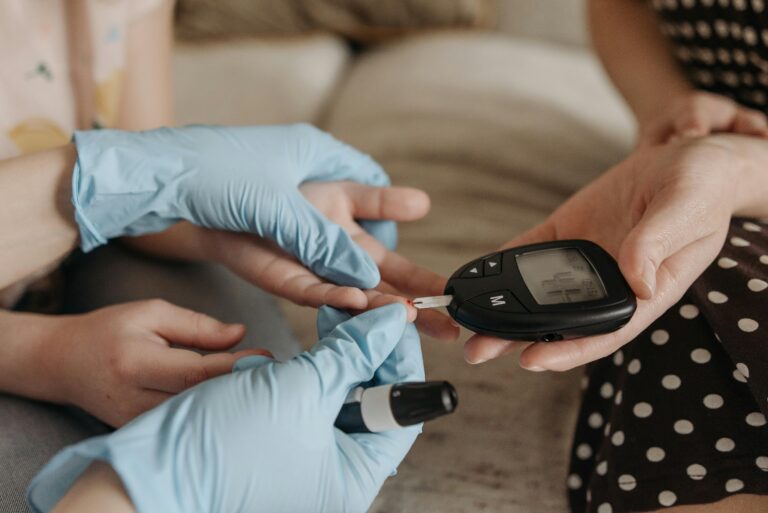
- Blood sugar tests
- Cholesterol tests
- Eye exams
- Dental checkups
- Cancer screenings
Routine medical visits allow people to monitor their health and receive early treatment if needed.
Vaccinations and Preventive Care
Vaccines protect people from dangerous infectious diseases. Staying updated with recommended vaccinations is an important part of preventive healthcare.
Common Vaccinations
- Flu vaccine
- Hepatitis vaccine
- COVID-19 vaccine
- Tetanus vaccine
Vaccinations protect both individuals and communities from serious illness.
Healthy Weight Management
Maintaining a healthy weight lowers the risk of many chronic diseases.
Risks of Excess Weight
- Diabetes
- Heart disease
- Joint pain
- High blood pressure
Healthy weight management involves:
- Balanced eating
- Regular exercise
- Proper sleep
- Stress control
Crash diets should be avoided because they often harm overall health.
Mental Health and Preventive Healthcare
Mental health is equally important as physical health. Emotional well-being affects relationships, productivity, and daily life.
Ways to Improve Mental Health
- Stay socially connected
- Practice gratitude
- Exercise regularly
- Get enough sleep
- Seek support when needed
Ignoring mental health can negatively affect the entire body.
Preventive Healthcare for Children and Families
Healthy habits should begin early in life. Families that practice healthy lifestyles together often build stronger long-term habits.
Healthy Family Habits
- Eating meals together
- Exercising regularly
- Limiting screen time
- Encouraging outdoor play
- Maintaining sleep routines
Children who learn healthy behaviors early are more likely to continue them into adulthood.
Healthy Aging and Preventive Care
As people age, preventive healthcare becomes even more important.
Important Areas for Older Adults
- Bone health
- Heart health
- Eye care
- Regular screenings
- Physical activity
- Fall prevention
Preventive care helps older adults maintain independence and better quality of life.
Small Daily Habits That Improve Health
Many people believe healthy living requires major lifestyle changes, but small daily habits can create big improvements over time.
Simple Healthy Habits
- Walking daily
- Drinking more water
- Eating more vegetables
- Sleeping earlier
- Reducing sugar intake
- Practicing gratitude
Consistency is the key to long-term success.
How Preventive Healthcare Saves Lives
Preventive healthcare reduces the risk of serious diseases and improves overall wellness. Early diagnosis and healthy habits can help people avoid many medical complications.
People who focus on prevention often experience:
- Better physical fitness
- Improved emotional health
- Higher energy levels
- Better productivity
- Longer lifespan
Preventive care is an investment in a healthier future.
FAQs
1. What is preventive healthcare?
Preventive healthcare focuses on preventing diseases through healthy habits, screenings, vaccinations, and regular medical care.
2. Why is preventive healthcare important?
It helps detect health problems early, reduces medical costs, improves quality of life, and lowers disease risk.
3. What are the main parts of a healthy lifestyle?
Healthy eating, regular exercise, proper sleep, stress management, hydration, and avoiding harmful habits are key parts of healthy living.
4. How often should people get medical checkups?
Most adults should have regular annual checkups, although individual needs may vary based on age and health conditions.
5. Can lifestyle changes really prevent disease?
Yes, healthy lifestyle habits can significantly reduce the risk of diabetes, heart disease, obesity, and many other chronic illnesses.
Final Thoughts
This preventive healthcare and healthy lifestyle guide shows that good health is built through daily habits and smart lifestyle choices. Preventive healthcare is not only about avoiding illness — it is about creating a stronger, healthier, and happier life.
Healthy eating, exercise, stress management, proper sleep, hydration, regular checkups, and emotional wellness all work together to support long-term health. Small positive changes practiced consistently can lead to major improvements in both physical and mental well-being.
Taking care of your health today can help you enjoy a healthier future tomorrow.
For more health and wellness content, visit numberlina.com and explore helpful lifestyle guides designed for healthier living.
- Where Can I Discover New Movies and TV Shows?
- Why Does My Stomach Get Bloated After Eating?
- Do You Need a Panel Upgrade Before Solar?
- What Is Manhwa and How Is It Different From Manga?
- What Is Manhwa and How Is It Different From Manga?

Dr. Emma Green is a health and wellness expert with over 10 years of experience in nutrition and fitness. Passionate about helping others live their healthiest lives, Dr. Green shares practical advice on wellness, nutrition, and sustainable living through LivingSpristine.