Orthodontic Treatment for Teeth Alignment Correction: A Complete Guide to a Healthier and More Confident Smile
A healthy smile is one of the most important parts of overall appearance and oral health. Straight and properly aligned teeth not only improve the way a smile looks but also help with chewing, speaking, and maintaining good dental hygiene. Unfortunately, many people experience problems such as crooked teeth, crowded teeth, gaps, or bite issues that can affect both confidence and oral health. This is where orthodontic treatment for teeth alignment correction becomes valuable.
Orthodontic treatment focuses on diagnosing, preventing, and correcting misaligned teeth and jaw problems. Modern orthodontic solutions offer effective ways to improve smile aesthetics while also supporting long-term dental health. Whether someone is a child, teenager, or adult, orthodontic treatment can help create a healthier and more balanced smile.
Many dental health discussions on StateKaidz.com emphasize that orthodontic care is not only about appearance. Proper alignment can improve oral function, reduce dental complications, and enhance overall quality of life.
In this article, we will explore orthodontic treatment for teeth alignment correction, discuss common alignment issues, explain treatment options, and highlight the benefits of achieving a straighter smile.
What Is Orthodontic Treatment?
Orthodontic treatment is a specialized branch of dentistry that focuses on correcting the position of teeth and jaws.
The main goals include:
- Straightening crooked teeth
- Correcting bite problems
- Improving oral function
- Enhancing smile appearance
- Supporting long-term dental health
Orthodontists use various appliances and techniques to gradually move teeth into their proper positions.
Modern orthodontic care has become more comfortable, effective, and discreet than ever before.
Why Teeth Alignment Matters
Many people seek orthodontic care for cosmetic reasons, but proper alignment provides important health benefits as well.
Well-aligned teeth can help:
- Improve chewing efficiency
- Support clear speech
- Reduce tooth wear
- Make cleaning easier
- Lower the risk of gum disease
Poor alignment may contribute to:
- Tooth decay
- Gum problems
- Jaw discomfort
- Difficulty chewing
- Self-confidence concerns
This is why orthodontic treatment for teeth alignment correction is often recommended by dental professionals.
Common Teeth Alignment Problems
There are several types of alignment issues that orthodontists commonly treat.
Crowded Teeth
Crowding occurs when there is insufficient space for teeth to fit properly.
This can make brushing and flossing more difficult.
Gapped Teeth
Some individuals have excessive space between teeth.
Gaps may affect smile appearance and sometimes oral function.
Overbite
An overbite occurs when the upper front teeth overlap the lower front teeth excessively.
Underbite
An underbite occurs when the lower teeth extend beyond the upper teeth.
Crossbite
A crossbite happens when certain upper teeth fit inside lower teeth instead of outside them.
Open Bite
An open bite occurs when the upper and lower teeth do not meet properly when the mouth is closed.
Each condition may require a different orthodontic approach.
Causes of Misaligned Teeth
Several factors can contribute to alignment problems.
Genetics
Many orthodontic issues are inherited.
Jaw size and tooth positioning often run in families.
Childhood Habits
Habits such as:
- Thumb sucking
- Prolonged pacifier use
- Tongue thrusting
may affect tooth development.
Premature Tooth Loss
Losing baby teeth too early can affect permanent tooth positioning.
Jaw Growth Differences
Uneven jaw growth may lead to bite and alignment problems.
Understanding the cause helps orthodontists create effective treatment plans.
Who Can Benefit from Orthodontic Treatment?
Orthodontic treatment is suitable for people of various ages.
Children
Early evaluation can identify developing alignment issues.
Teenagers
Teen years are a common time for orthodontic treatment because permanent teeth are usually in place.
Adults
Many adults now choose orthodontic care to improve their smiles and oral health.
Modern treatment options have made adult orthodontics increasingly popular.
Many success stories shared on StateKaidz.com demonstrate that it is never too late to improve dental alignment.
Traditional Metal Braces
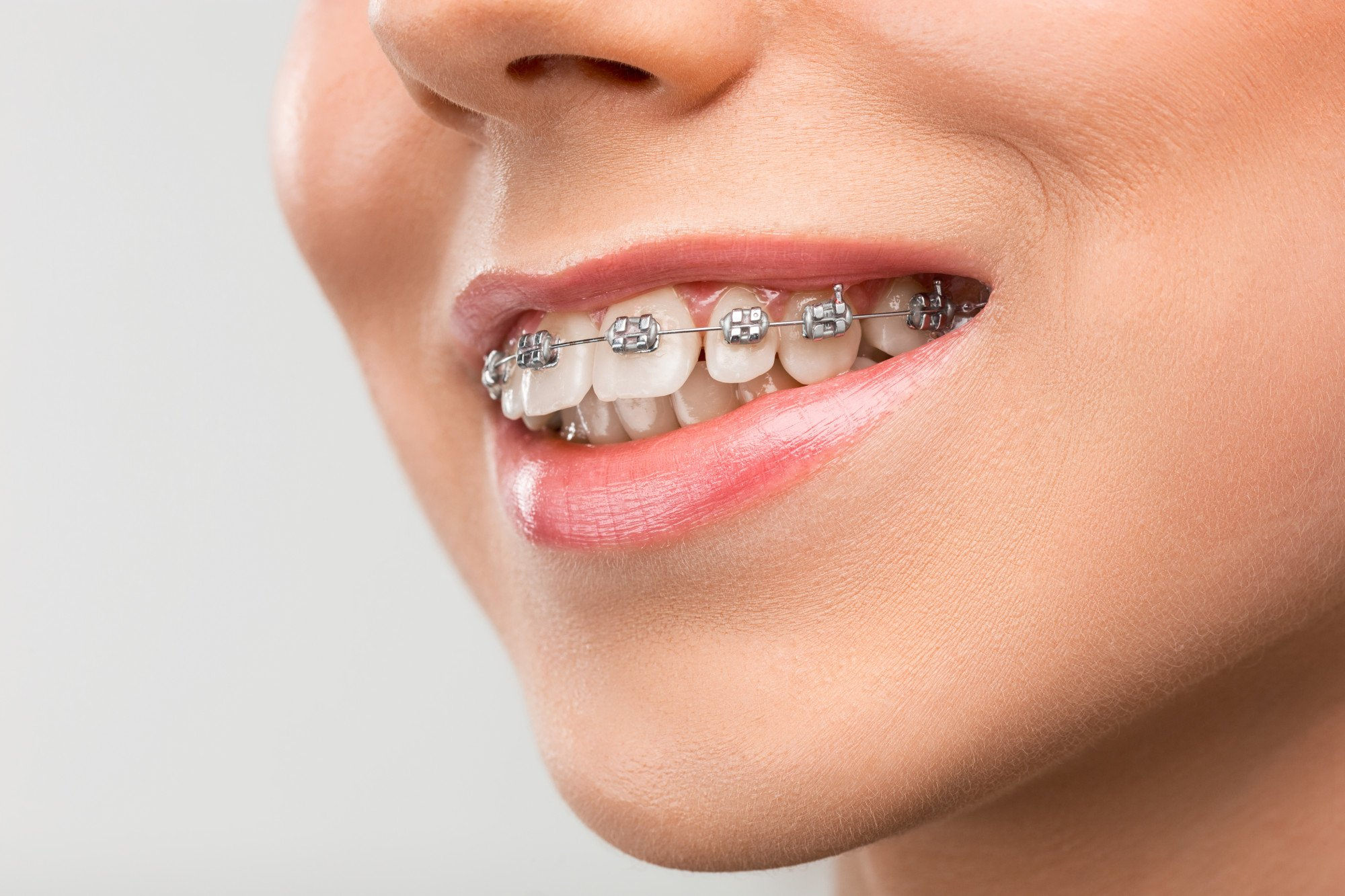
Traditional braces remain one of the most effective orthodontic treatments.
They consist of:
- Metal brackets
- Wires
- Elastic bands
Braces gradually apply pressure to move teeth into proper positions.
Benefits of Metal Braces
- Highly effective
- Suitable for complex cases
- Reliable results
Although visible, modern braces are smaller and more comfortable than older versions.
Ceramic Braces
Ceramic braces function similarly to metal braces but use tooth-colored materials.
Benefits include:
- Less noticeable appearance
- Effective alignment correction
Many patients choose ceramic braces for cosmetic reasons.
Clear Aligners
Clear aligners have become increasingly popular.
These removable trays gradually shift teeth into place.
Advantages of Clear Aligners
- Nearly invisible
- Removable
- Comfortable
- Easy to clean
Clear aligners are often suitable for mild to moderate alignment issues.
Many adults prefer this option because of its discreet appearance.
Retainers
Retainers are often used after active orthodontic treatment.
Their purpose is to:
- Maintain results
- Prevent teeth from shifting
- Support long-term alignment
Wearing retainers as instructed is essential for preserving treatment outcomes.
The Orthodontic Treatment Process
Understanding the treatment process can help reduce anxiety.
Initial Consultation
The orthodontist evaluates:
- Teeth alignment
- Jaw position
- Bite function
Diagnostic Records
These may include:
- X-rays
- Photographs
- Digital scans
Treatment Planning
A personalized treatment plan is created based on individual needs.
Active Treatment
Braces or aligners gradually move teeth into position.
Retention Phase
Retainers help maintain results after treatment is complete.
Each stage contributes to successful alignment correction.
Benefits of Orthodontic Treatment for Teeth Alignment Correction
There are numerous advantages to orthodontic care.
Improved Smile Appearance
Straight teeth often enhance confidence and self-esteem.
Better Oral Hygiene
Aligned teeth are easier to clean effectively.
Reduced Risk of Dental Problems
Proper alignment can lower the risk of:
- Cavities
- Gum disease
- Tooth wear
Improved Bite Function
Correcting bite issues helps improve chewing efficiency.
Enhanced Speech
Some alignment problems may affect pronunciation.
Long-Term Oral Health
Orthodontic treatment supports healthier teeth and gums throughout life.
These benefits make orthodontic treatment for teeth alignment correction a worthwhile investment.
Caring for Teeth During Treatment
Good oral hygiene remains important throughout treatment.
Brush Carefully
Clean around brackets and wires thoroughly.
Floss Daily
Special orthodontic flossing tools may help.
Attend Appointments
Regular checkups ensure treatment progresses correctly.
Follow Instructions
Wear aligners and retainers as directed.
Proper care supports successful outcomes.
Common Myths About Orthodontics
Myth 1: Orthodontics Is Only for Children
Adults can benefit from treatment as well.
Myth 2: Braces Are Extremely Painful
Most patients experience only temporary discomfort during adjustments.
Myth 3: Treatment Is Purely Cosmetic
Orthodontics also improves oral health and function.
Myth 4: Results Are Immediate
Alignment correction requires patience and consistent treatment.
Understanding the facts helps individuals make informed decisions.
Technology in Modern Orthodontics
Advances in technology continue to improve treatment experiences.
Examples include:
- Digital scanning
- 3D imaging
- Computerized treatment planning
- Advanced aligner systems
These innovations improve precision, comfort, and efficiency.
Many dental technology discussions on StateKaidz.com highlight the growing role of digital tools in orthodontic care.
Long-Term Benefits of Straight Teeth
People who complete orthodontic treatment often enjoy:
- Greater confidence
- Improved oral hygiene
- Better dental function
- Healthier gums
- Reduced future dental costs
Straight teeth contribute to both physical health and emotional wellbeing.
Conclusion
Orthodontic treatment for teeth alignment correction offers much more than cosmetic improvement. By correcting crooked teeth, bite issues, and jaw alignment problems, orthodontic care supports better oral health, improved function, and enhanced confidence.
As highlighted in many dental wellness articles on StateKaidz.com, a healthy smile can positively influence both personal and professional life. Whether through traditional braces, ceramic braces, or clear aligners, modern orthodontic solutions provide effective ways to achieve lasting results.
Investing in orthodontic treatment today can lead to a healthier, more confident smile for years to come.
Frequently Asked Questions (FAQs)
1. What is orthodontic treatment for teeth alignment correction?
It is a specialized dental treatment that corrects crooked teeth, bite problems, and jaw alignment issues to improve oral health and smile appearance.
2. At what age should orthodontic treatment begin?
Orthodontic evaluations can begin in childhood, but treatment may be appropriate for children, teenagers, and adults.
3. Are clear aligners as effective as braces?
Clear aligners can be very effective for many cases, although complex problems may require traditional braces.
4. How long does orthodontic treatment take?
Treatment duration varies depending on the severity of the alignment issue and the type of treatment used.
5. Why are retainers important after treatment?
Retainers help maintain alignment results and prevent teeth from shifting back to their previous positions.
- How to Avoid Pop-Up Ads on Manga Reading Websites
- How Technology Improves Business Productivity
- How to Improve Cash Flow Management for Small Businesses
- How Teachers Can Use Comic Strips to Teach Writing
- Free Manga Reading Websites With No Registration

Dr. Emma Green is a health and wellness expert with over 10 years of experience in nutrition and fitness. Passionate about helping others live their healthiest lives, Dr. Green shares practical advice on wellness, nutrition, and sustainable living through LivingSpristine.